·Video Production
The Real Cost of YouTube Video Production: What to Expect
Understand the real factors driving YouTube video production costs. Explore the variables of scripting, editing,…
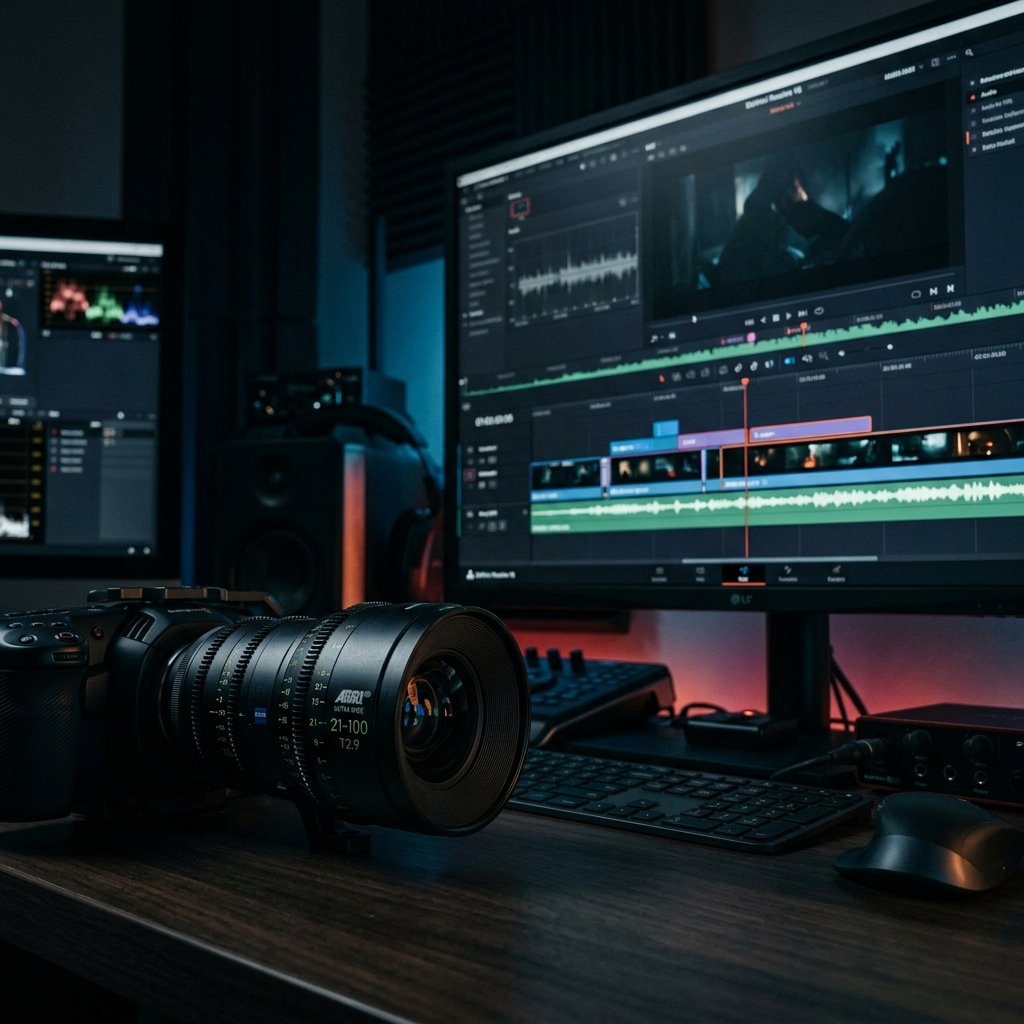
Consistency is the hallmark of a successful YouTube channel. To maintain a regular publishing schedule without sacrificing quality or experiencing burnout, a robust, standardized production workflow is essential. This structured approach minimizes friction, ensures quality control, and allows creators to scale their operations effectively.
The foundation of a great video is a compelling idea backed by market research. This phase involves:
A well-structured script is crucial for maintaining viewer retention and delivering a clear message. A strong script serves as a blueprint for the entire production process.
For detailed strategies on structuring your content, refer to our guide on scriptwriting techniques.
With a solid script, the recording phase should be efficient. Focus on delivering the content clearly and engagingly.
Editing is where the video truly comes to life. It involves assembling the footage, pacing the narrative, and adding polish.
Learn more about optimizing this phase in our detailed video editing guide.
Even the best video will fail if the packaging does not attract clicks. The thumbnail and title are your first impression.
Understand the nuances of compelling visuals in our article on thumbnail design principles.
The final step involves uploading the video and optimizing it for YouTube’s search and discovery systems.
If managing this workflow becomes overwhelming, our team offers comprehensive production services to handle the heavy lifting.
From editing and pacing to sound design and visual storytelling — we produce videos that perform.
Understand the real factors driving YouTube video production costs. Explore the variables of scripting, editing,…
Master retention-focused video editing by understanding pacing, strategic transitions, and audio design to keep your…
Explore the lucrative world of faceless YouTube channels. Learn about profitable niches, production requirements, voiceover…