·Scriptwriting & Content
How to Write YouTube Video Hooks That Stop the Scroll
Master the art of writing compelling YouTube video hooks. Discover proven techniques to capture attention…
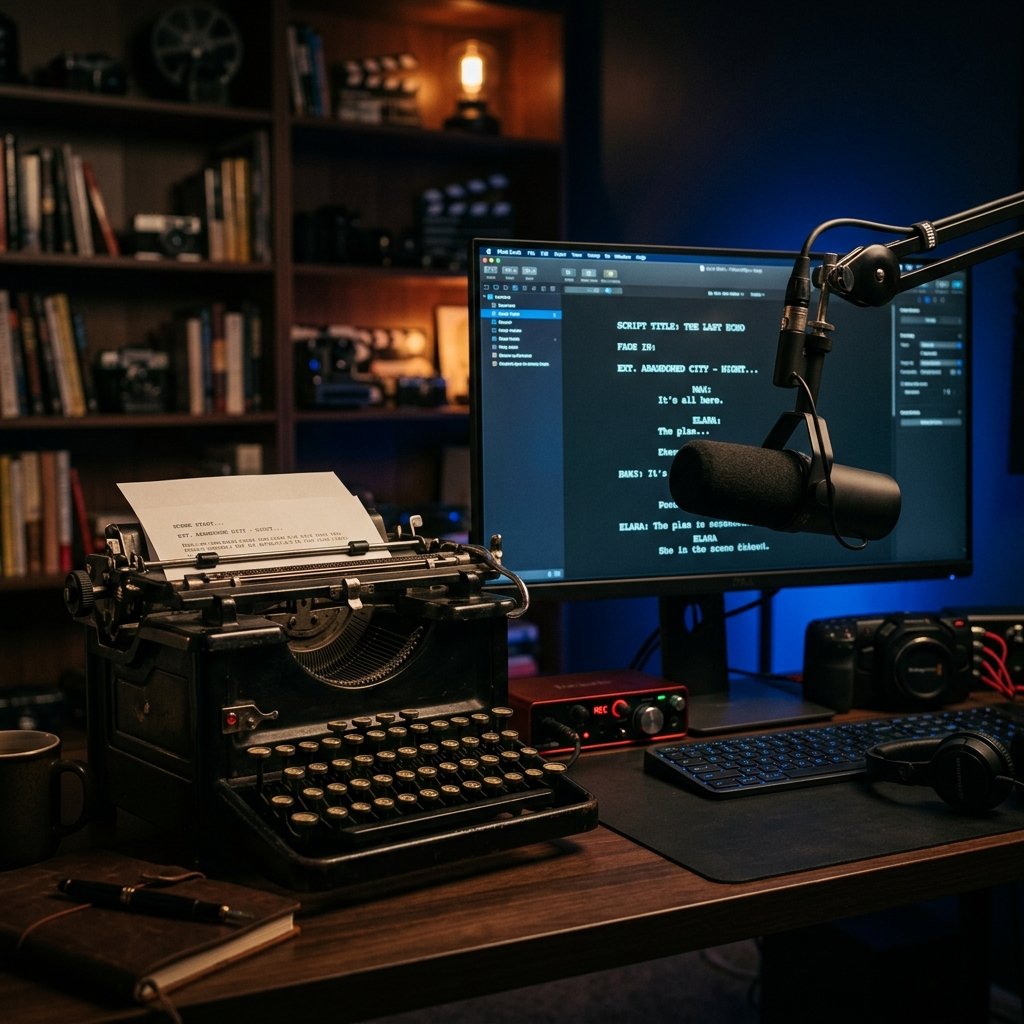
Every great YouTube video starts with a great script. At Atifinity, our scriptwriting process is built around one goal: keeping viewers watching. In this comprehensive guide, we will break down exactly how we build scripts that consistently achieve high retention rates and turn casual viewers into loyal subscribers.
Writing a YouTube script is vastly different from writing a blog post or an essay. Viewers have endless options at their fingertips, and their attention spans are heavily fragmented. A high-retention script must continuously engage the viewer, delivering value while building anticipation for what comes next.
The first 30 seconds determine whether a viewer stays or leaves. We open every script with a pattern interrupt—a bold claim, a surprising fact, or a question that creates an information gap the viewer needs to close. For a deeper dive into hooks, check out our dedicated guide on crafting perfect hooks.
Here are three highly effective hook types we frequently use:
Once the viewer is hooked, we need to maintain their attention throughout the video. We use a proven retention framework: Hook → Context → Value → Payoff. To learn more about maximizing watch time, read our retention optimization strategies.
Before a single word is written, we spend hours researching the topic. Every claim is fact-checked, every statistic is sourced, and every angle is evaluated for viewer interest. We look at top-performing videos in the niche, analyze audience comments to understand pain points, and synthesize information from reputable sources.
A script is meant to be spoken, not read silently. This requires a specific formatting approach. We write in short, punchy sentences. We use conversational language and avoid overly complex jargon. We also include stage directions for the editor and visual cues to ensure the final product matches the vision. This is particularly crucial when coordinating with our professional voiceover artists.
Here is a basic outline you can adapt for a standard 5-minute informational video:
While frameworks are essential, true creativity sometimes requires breaking the rules. Once you have mastered the basics, experiment with different narrative structures, unconventional hooks, and unique pacing to find a style that resonates with your specific audience.
Scripts that hold attention past the 4-minute mark. Videos that earn watch time. Channels that grow. If you’re ready to elevate your content, explore Atifinity’s High-Retention Scriptwriting service and let’s start building scripts that convert viewers into superfans.
Our scripts are built around proven retention frameworks — hooks, structure, and pacing that keep viewers watching.
Master the art of writing compelling YouTube video hooks. Discover proven techniques to capture attention…
A comprehensive guide to YouTube voiceovers, covering vocal styles, recording techniques, and how to select…